Losing A Parent
On April 7, 2016, my mom abruptly died from a hemorrhagic stroke. She was only 55 years old, and today marks the 10 year death anniversary. That moment in time still feels so close and so surreal (sometimes I still get flashbacks to that day). A feeling that many who have lost a parent may feel.
Today I grieve her physical death, and I grieve all the moments that she has missed. Graduating from my master’s, becoming a licensed MFT, opening up my private practice, my cross-country move (twice), getting into a PhD program and graduating from said program, meeting the love of my life, my engagement, and now wedding planning. I not only grieve her, but I also grieve every milestone and future event without her. I constantly grieve her in these moments of joy and remind myself that we can feel many things all at once. All emotions are allowed to coexist, and one emotion is not more important than the other.
We know the natural family life cycle: we will inevitably lose our parent(s), but we do not talk about how much of an impact that can be. If we look at attachment theory, our parents become our “secure base” or ideally that is what we would want. Regardless of the relationship we have with our parent(s), when that base is gone what do we do ? For some, it can be devastating, even traumatic in a way. That is something that I continue to navigate personally and professionally every day.
Through these experiences, I have learned (and continue to learn) so many things that I want to share with you if you have lost your parent(s) (or really if you have lost anyone):
There is no shortcut to grief. The only way through it, is through it.
There is no special roadmap to grieving, every reaction makes sense.
There are no “stages of grief,” this is pop psychology and we look at these stages as possible things that grievers CAN experience but not all do.
Grief is unique to each person
Which means grief can feel very lonely.
When we grieve really hard it may be a sign that we love and care just as hard.
The grief/pain does not shrink as time passes,but our capacity to manage can grow around it making it seem less intense.
The physical relationship with our parent(s) might be over, but you can still continue an emotional/spiritual bond. What that looks like is up to you. (For me, I cook Filipino food, I make flower arrangements, I have an altar with her on it, I do things my mom loved to do, etc.)
Grief will come up whether we like it or not. It’s about noticing it and riding the grief wave. Letting ourselves grieve or setting intentional time to grieve.
Somatically, our bodies may remember faster than our minds, this is normal. (This happened to me this week where I noticed my capacity was low and I was irritated easily and then I realized it was grief).
It is okay to be angry and confused, those are emotions very common in grief.
It is okay to have regrets and lingering resentments.
It is okay to seek professional help if you are grieving.
Be kind to yourself.
There are so many more things I can add, but one thing is for sure: It is okay to let yourself grieve for however long you need to, and there is no “right” way to do so. If you have lost a parent(s), I am so sorry. It sucks and to be honest it really is not fair. I wish you well in your grief journey and hope you find ways to continue your bonds with your parent(s) that feels right for you.
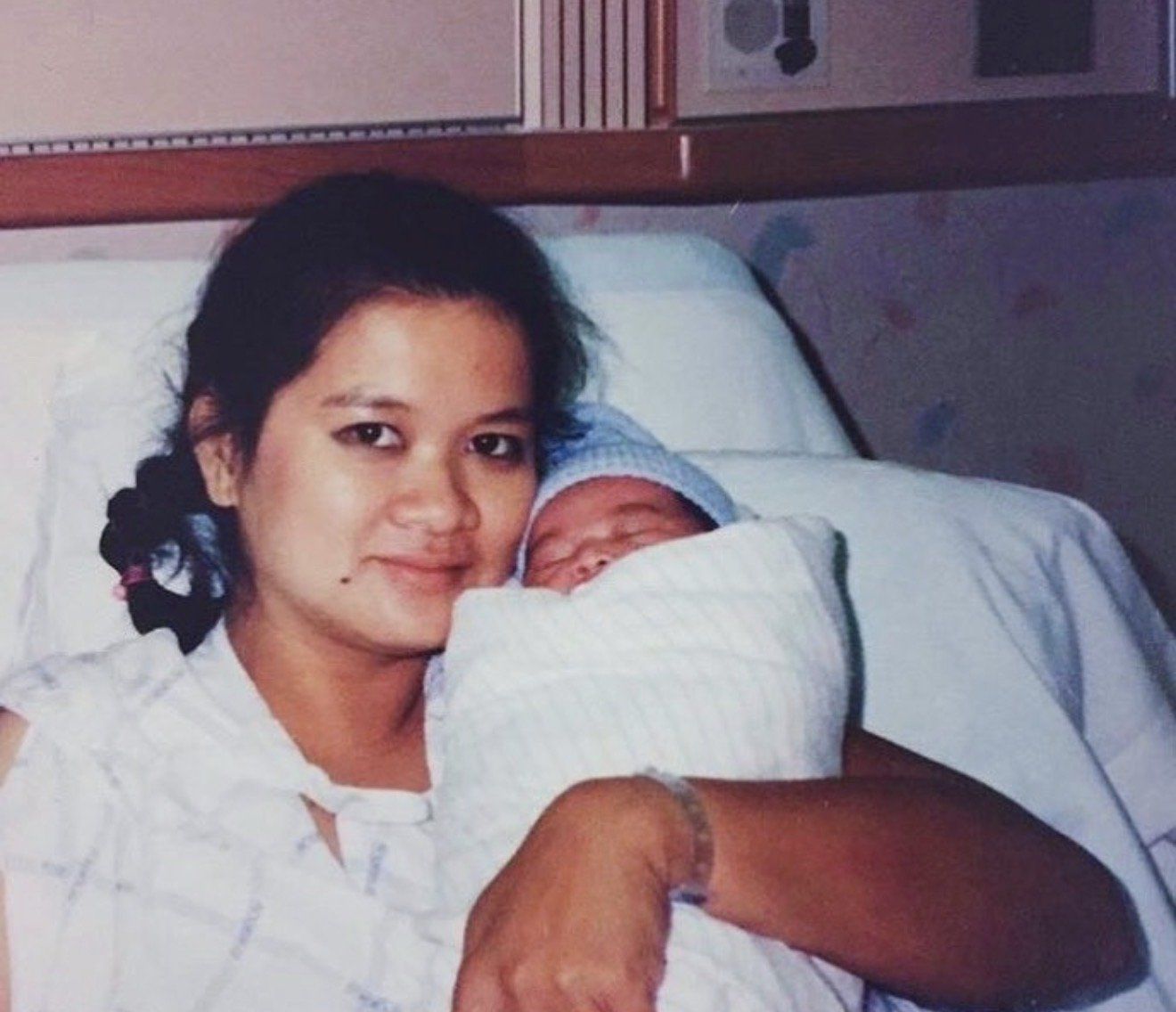
In honor of my mom, Marissa Bote Parker. Thank you, I love you, and I miss you a ton.
-Krista (your favorite/only daughter)